The Counseling Lawyer Blog

Filter posts by category

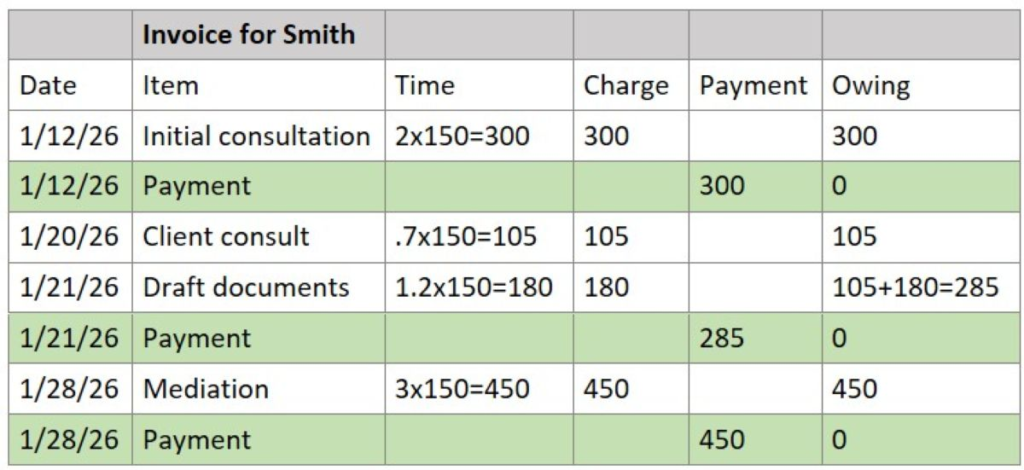
Pay-as-you-go billing log and invoice, simple sample

The Pay-as-You-Go (PAYG) billing method for lawyers

By Mark Baumann, 2026 Pay-as-You-Go is an ethical and client-centered billing method which can reduce uncollected fees. It allows lawyers to rely less on the advance fee (“retainer”) and trust accounting system, or even to eliminate it. PAYG naturally helps […]

Stop the domino chain with a helping hand

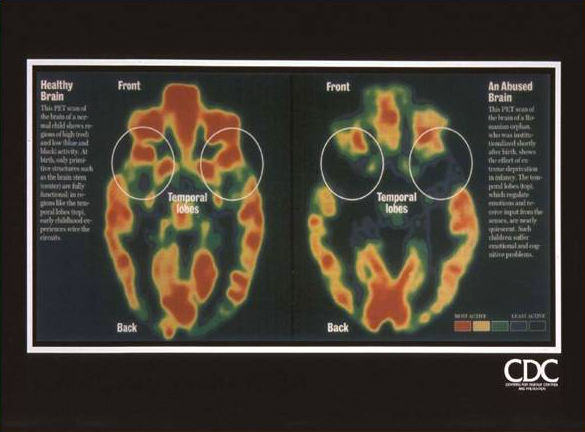
Study – The continuation of abuse in divorce

The study below confirms what many divorce lawyers know – abuse in relationships is carried on after separation. It also confirms what many lawyers sense but don’t acknowledge – abuse victims are at a high risk of giving up too

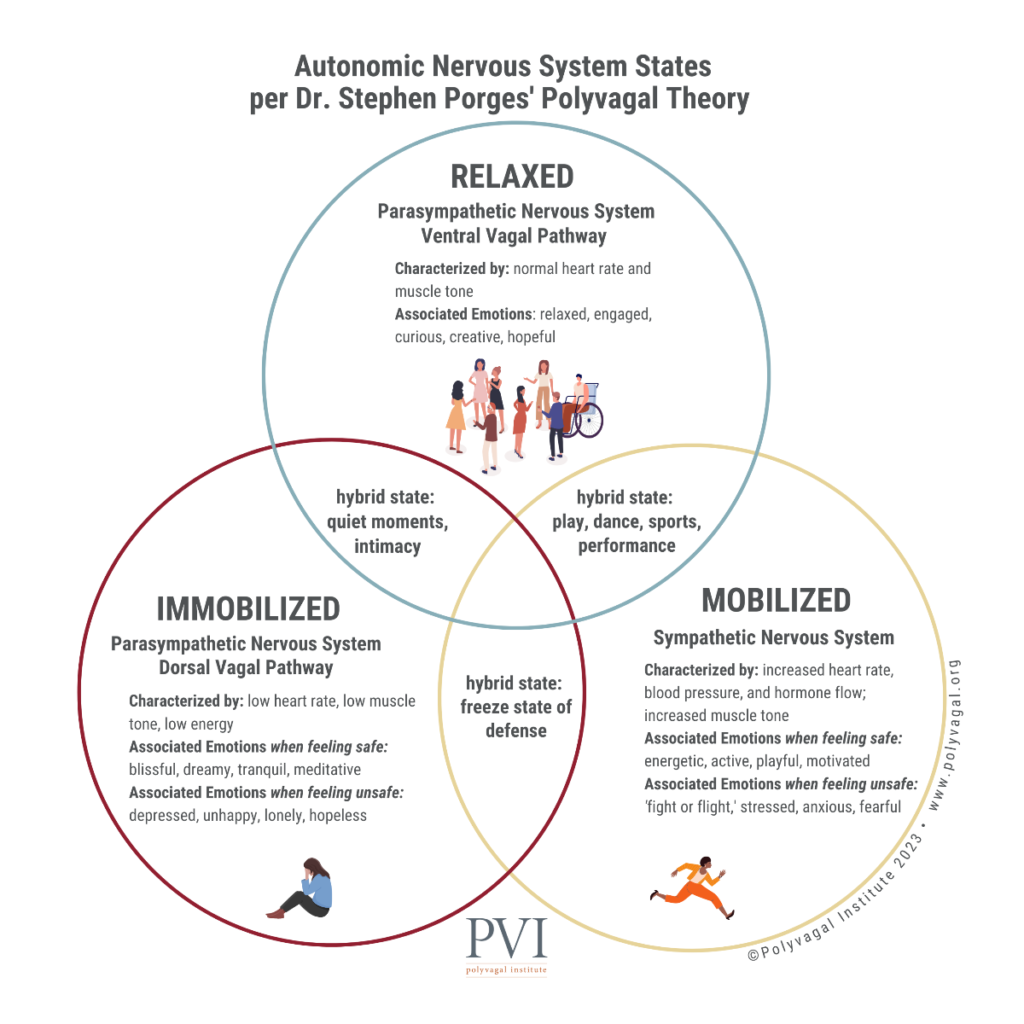
Polyvagal Theory: Fight/Flight/Freeze vs Social Engagement System

The Polyvagal Theory (PVT) offers useful insight into what drives conflict. Based on hard neurobiology science, PVT describes behavior governed by the autonomic nervous system such as the fight/flight/freeze system (FFF) and Social Engagement System (SES). Simply put, PVT posits

Angry person pointing their finger at you

Study – Contempt can emotivate negative behavior

Sending a message that a person is bad and unresponsive to change is likely to engender a contemptuous response, according to this study. The researchers found that contempt has not been well studied, and is similar to anger, but differs

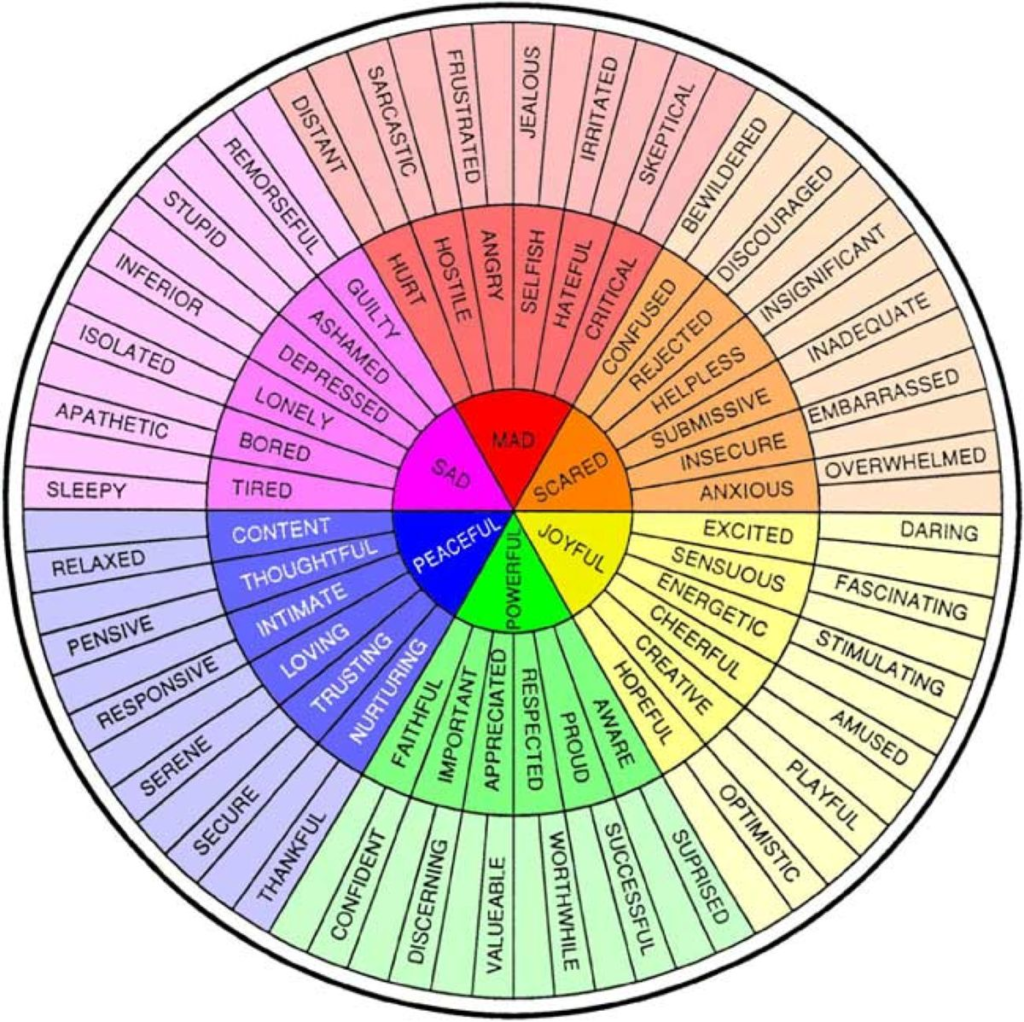
The original Feelings Wheel by Gloria Wilcox

Study – Emotivating care

This study identifies a variety of emotions that motivate care, such as love, compassion, and generosity. Other research by law professor Clark Cunningham has found that what clients want from their lawyer is in large part to be cared about.

Equipoise for lawyers

Equipoise describes the lawyer’s art of balancing opposing interests and states while remaining poised for action. It’s also useful for judges and mediators. It is often necessary to take time to consider two positions, and the pressure to jump into

Giving advice with a banana gun

Study- Advice Giving: A Subtle Pathway to Power (and abuse)

This research offers insight into why a client-centered approach, truly letting the client make decisions, can help avoid ethical problems. The researchers found that people with a high tendency to seek power are more likely to give advice than those

Mindfulness and parenting definition and meta study

In a parenting context, mindfulness was nicely defined and training both the parent and child was found to provide the most beneficial impact for families. This meta study looked at the contribution of mindfulness-based therapies for children and families, and

The original Feelings Wheel by Gloria Wilcox

Study – Risk taking motivation in emerging adults

The most common motivations for why emerging adults (ages 18-26) take risks are personal growth, achievement, to avoid missing out, and enjoyment/satisfaction. The findings from this study could be helpful in understanding what motivated your client towards less-than-functional behavior, and

Scroll to Top